
Diagnostic workflow
From history to molecules: a practical diagnostic workflow
Molecular allergology is most useful when it is placed inside a stepwise diagnostic pathway:
history, examination, extract-based sensitisation testing where appropriate, molecular testing
when it adds resolution, interpretation, and challenge testing when uncertainty remains.
Read article
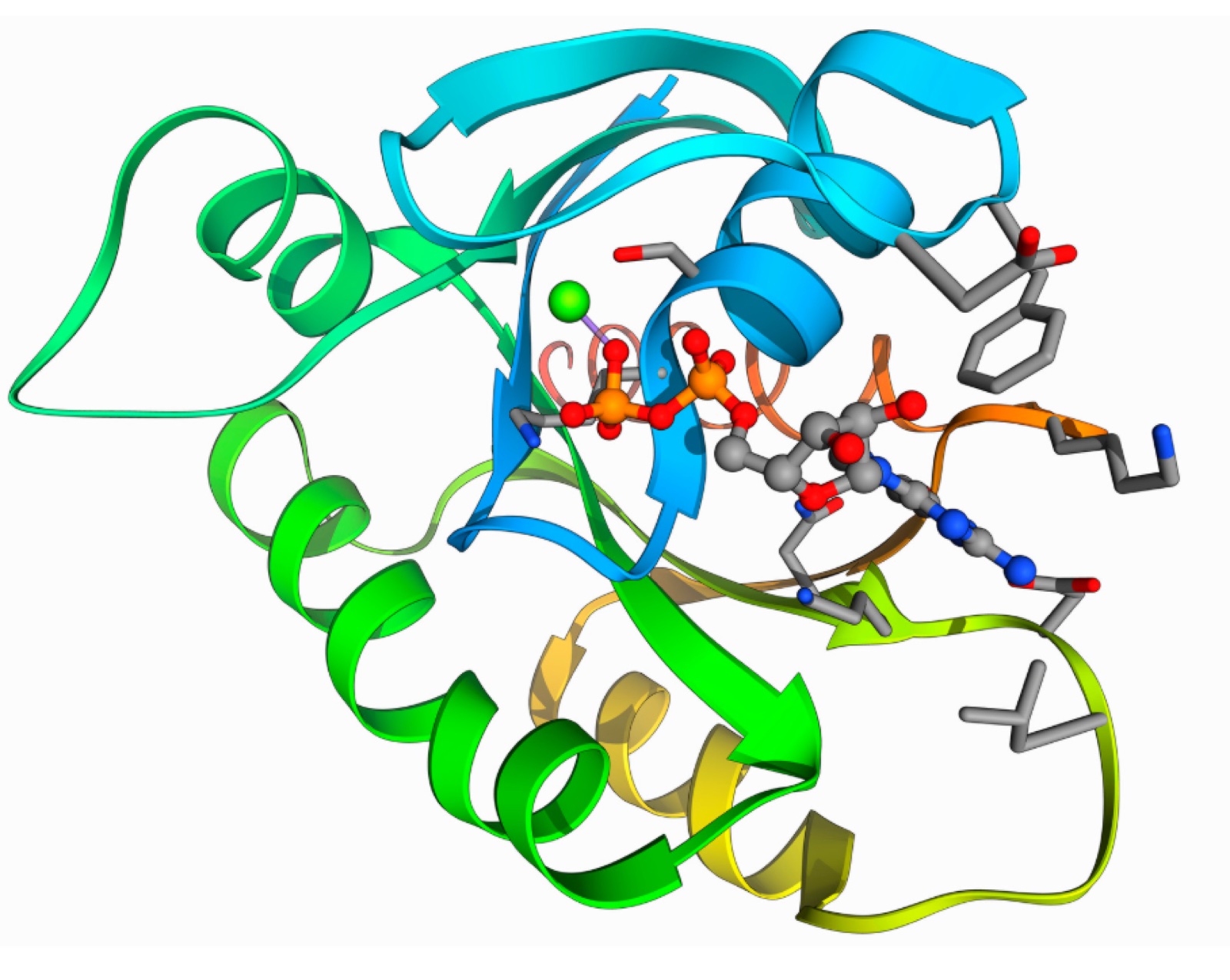
Primer
What component-resolved diagnostics adds to allergy care
Traditional extract-based testing can identify sensitisation, but it may not explain which proteins
are driving a result. Component-resolved diagnostics helps clinicians look beneath the extract and
consider whether a pattern suggests genuine primary sensitisation, cross-reactivity, or a lower-risk
profile. For MAA, this is one of the central educational opportunities: helping clinicians move from
a positive result to a more nuanced clinical interpretation.
Read article

Clinical interpretation
Cross-reactivity is not always clinical allergy
Molecular allergology can help separate broad sensitisation from clinically meaningful allergy.
Panallergens and homologous proteins may produce positive tests across multiple sources, but the
clinical risk can vary greatly. A structured molecular approach can support better conversations
around avoidance, challenge decisions, risk stratification, and referral.
Read article
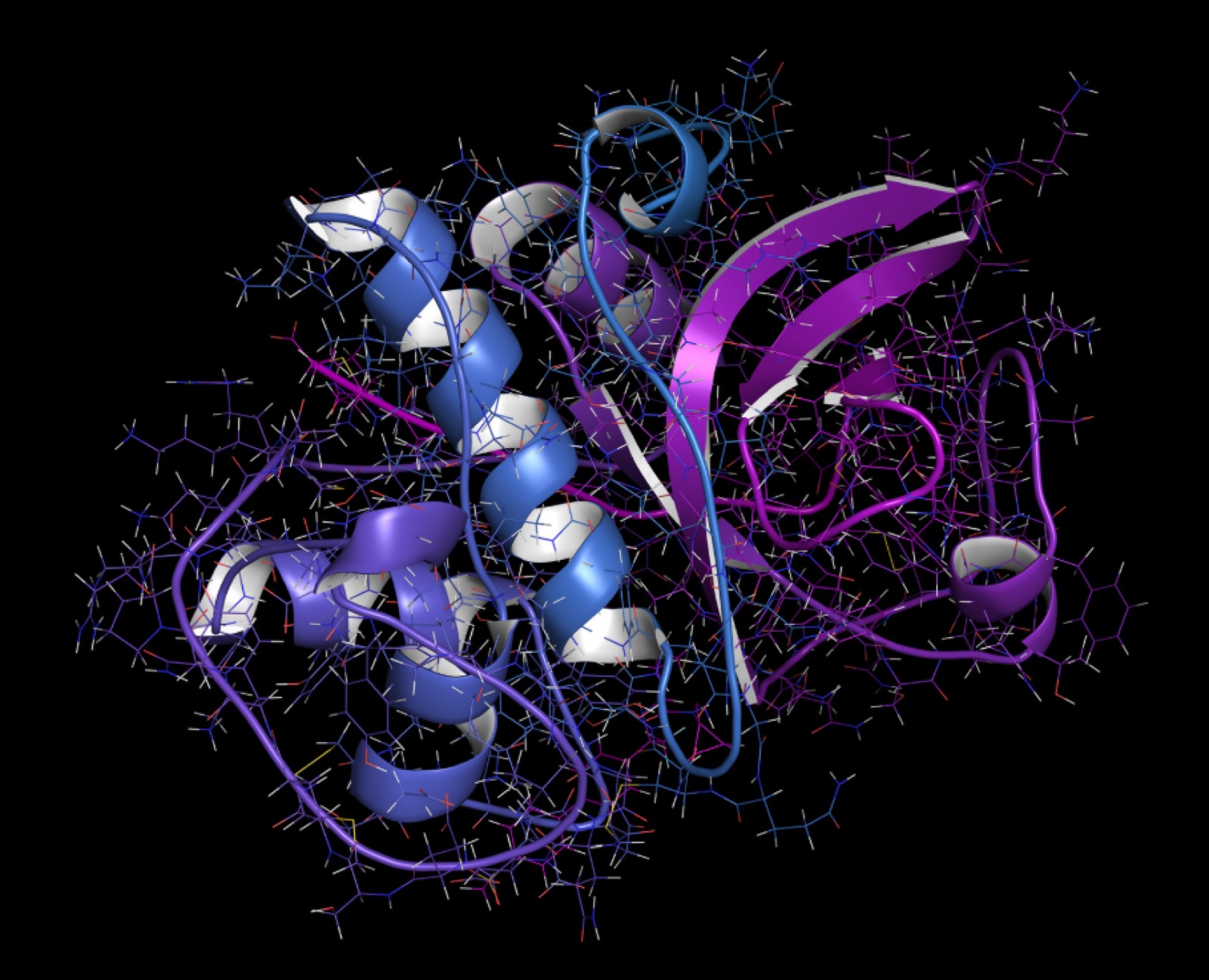
Allergen families
Allergen families: the grammar of molecular allergology
Component names become clinically useful when they are grouped into allergen families such as
PR-10 proteins, profilins, lipid transfer proteins, storage proteins, tropomyosins, lipocalins,
serum albumins, and CCD-bearing glycoproteins.
Read article

Interpretation pitfall
Cross-reactive carbohydrate determinants and false clarity
CCD sensitisation can contribute to broad in vitro IgE reactivity that does not necessarily match
symptoms. Recognising CCD patterns helps avoid over-calling clinically irrelevant sensitisation.
Read article

Immunotherapy
Molecular profiles and immunotherapy conversations
Molecular profiles may help clarify whether a patient is primarily sensitised to major allergen
components represented in an immunotherapy product, or whether the test pattern is dominated by
cross-reactive components. MAA resources will focus on the practical interpretation questions that
arise before and during immunotherapy discussions.
Read article

Source to component
From allergen source to molecular pattern
Pollen, mite, food, venom, latex, and animal dander each contain different mixtures of major,
minor, stable, labile, genuine, and cross-reactive molecules. Interpretation starts with the source
but cannot stop there.
Read article
Education design
Why molecular allergology education should be case-based
Molecular results become most useful when they are interpreted alongside history, exposure, symptoms,
geography, and treatment goals. Case-based education keeps the focus on clinical reasoning rather than
isolated markers. This is why MAA plans to develop practical case discussions as a core resource format.
Read article