

Molecular Allergology Alliance

Molecular Allergology Alliance

Advancing precision allergy care through molecular insight.

An independent professional initiative supporting education and clinical translation in molecular allergology.

What We Do

Focused education, practical interpretation, and professional exchange.

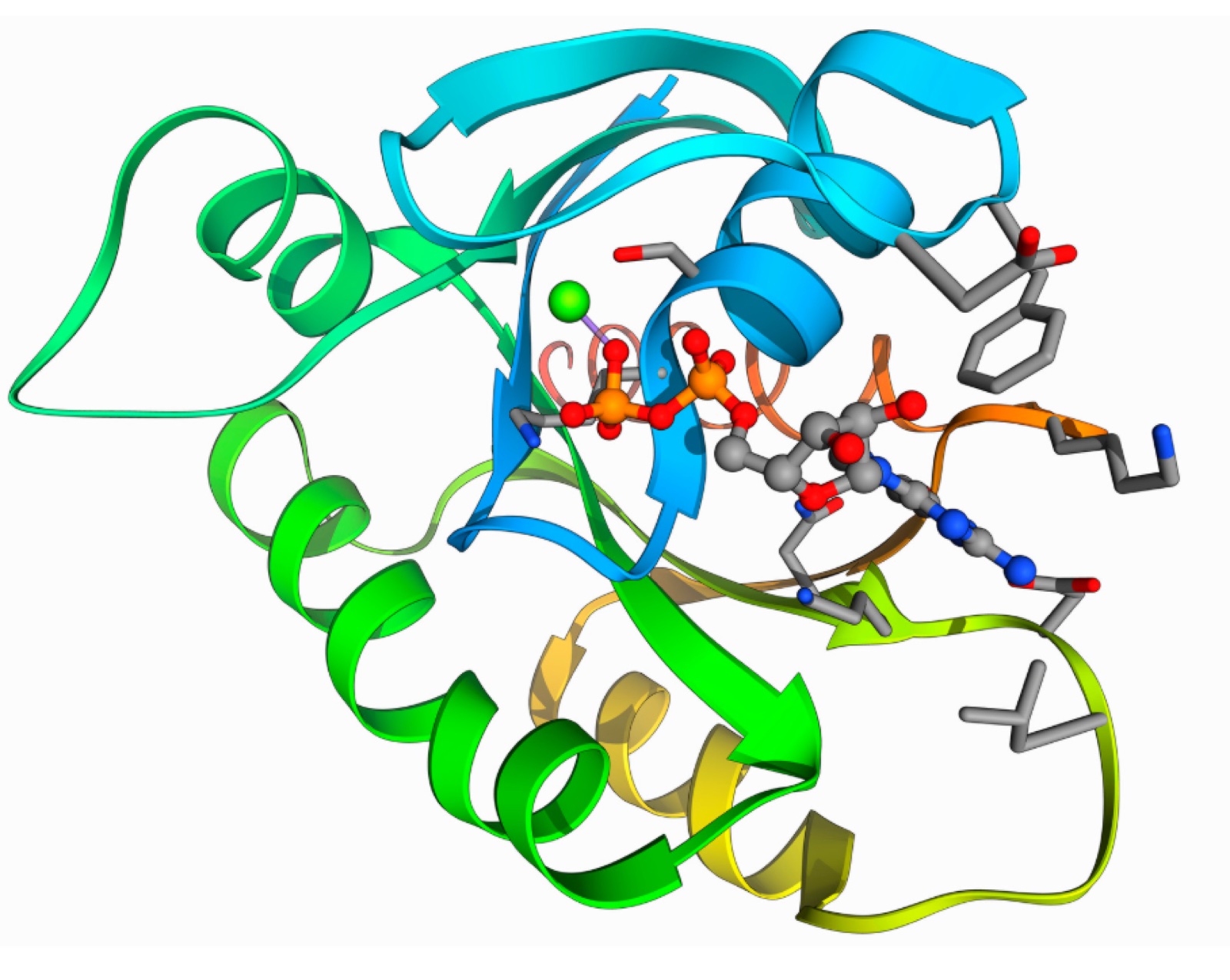
Protein ribbon structure used to represent molecular pattern recognition.

Clinical Translation

Helping professionals connect component patterns with patient history, exposure, and clinical relevance.

Laboratory sample tubes representing diagnostic translation.

Professional Education

Developing case-based learning for specialists, laboratories, trainees, and allied professionals.

Aeroallergen source representing professional exchange in allergy care.

Multidisciplinary Exchange

Creating a forum for clinicians, scientists, educators, laboratories, and industry partners.

Why Molecular Allergology

A more precise layer for interpreting allergy.

Molecular allergology can add clinical context where extract-based testing alone is difficult to interpret. Component patterns may help distinguish primary sensitisation from cross-reactivity, support risk stratification, and inform conversations around avoidance, challenge, and immunotherapy.

Clinical scope

Food allergy, aeroallergens, venom, latex, cross-reactivity, risk assessment, and immunotherapy interpretation.

Who We Serve

Built for the professional community around allergy care.

Clinicians

Allergists, clinical immunologists, respiratory physicians, dermatologists, and general practitioners with allergy interests.

Laboratories

Pathologists, scientists, and diagnostic teams working with molecular and component-level allergy results.

Educators and Partners

Researchers, trainees, allied professionals, and supporters contributing to education and clinical translation.

Latest Resources

Articles now in development.

Primer

What component-resolved diagnostics adds to allergy care

A practical introduction to the shift from extract-level testing to molecular interpretation.

Clinical interpretation

Cross-reactivity is not always clinical allergy

How molecular patterns can help separate sensitisation from clinically meaningful risk.

Immunotherapy

Molecular profiles and immunotherapy conversations

Where molecular allergology may support patient selection and shared decision-making.

Independence

Educational content should be clinically useful, transparent, and separate from commercial promotion.

Read About MAA